Day in the life of an MLB beat writer

Disclosure: This article contains affiliate links, meaning The Fan Files will receive a small commission if you choose to purchase through any of the below links.
The life of a baseball beat writer is a odd one. All season long, you follow a single team around the country (plus Toronto), charting their ups and downs, their misfortunes and their successes, day in and day out. It’s a dream job for many, but it’s also an exhausting one.
Jeff Fletcher has been a baseball writer for the past 28 years and is now serving as the SoCal News Group’s beat writer for the Los Angeles Angels. He’s also the author of Sho-Time: The Inside Story of Shohei Ohtani and the Greatest Baseball Season Ever Played. Here’s what his typical day looks like.
What’s a typical day in the life of an MLB beat writer?
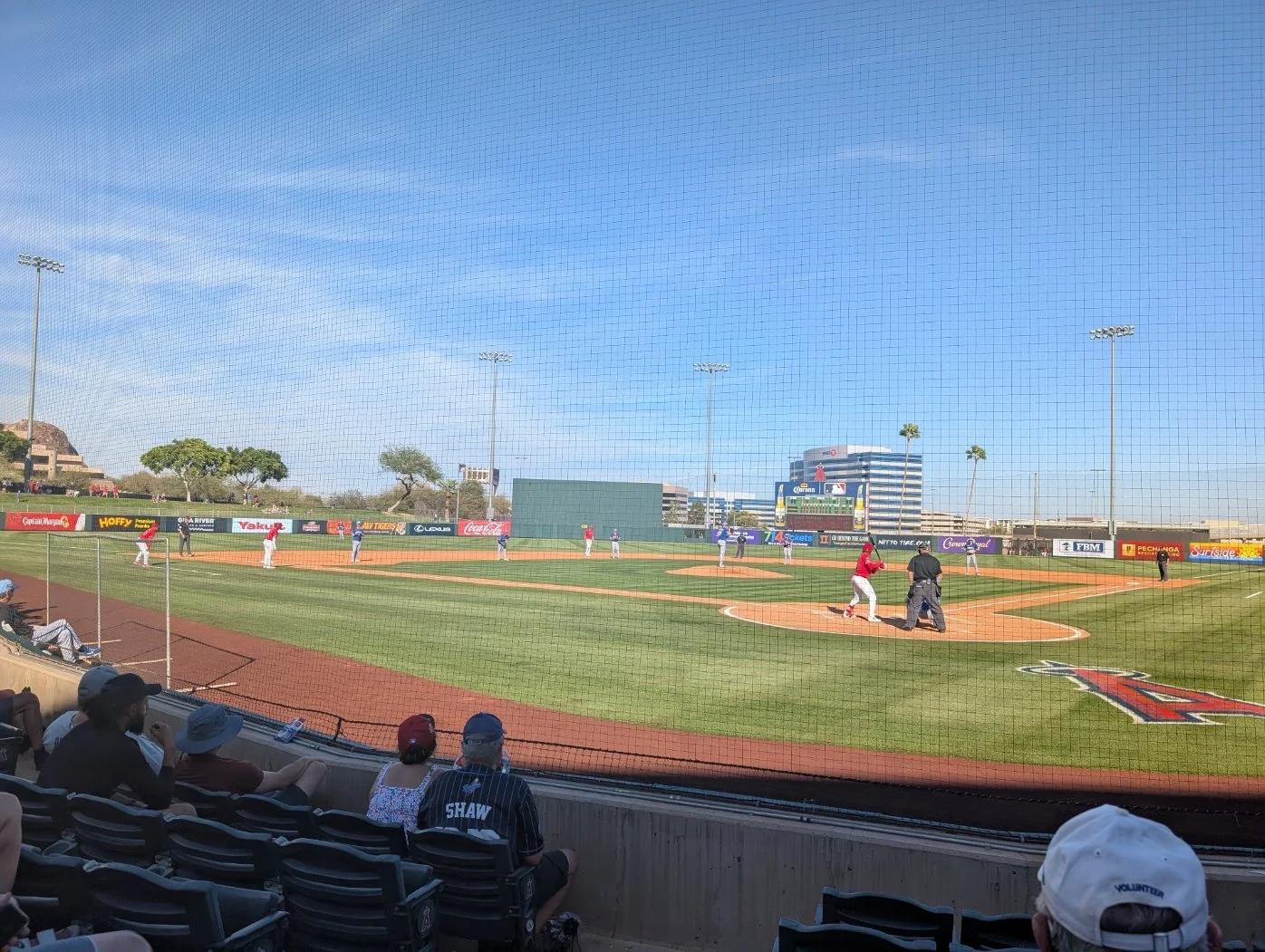
On a regular night game at home, Jeff Fletcher gets to the ballpark around 2:25-3:15 in the afternoon. His first task is to talk to the players and get material for the “notebook” story he needs to file before the game. This story is usually a catch-up piece of small newsy items, follow ups from the game the night before, and injury check ins. At 3:15, the press speaks to the manager for about 5-10 minutes, and then Fletcher heads upstairs to the press box to write his story.
After his story is filed, Fletcher has a bit of a break for dinner, and then settles in before the game begins. He works on his game report throughout the game because, in the internet age, game write ups need to be published pretty much immediately after a game finishes. “In most cases, it’s done before the game is over,” Fletcher shares, “I’m hoping that whoever’s winning in the seventh inning wins, because I’ve written a story based on that.”
After that story is published, Fletcher goes back downstairs to the clubhouse to speak to the manager and players again. He then returns to the press box and updates his story with the new information he’s compiled from those conversations. Sometimes this update simply involves adding quotes, and sometimes it’s a more substantial rewrite. After filing his update, Fletcher’s day is done. He leaves the ballpark about an hour after the last out.
What is it like to write about people you work with every day?
Speaking to individual Angels players each day is central to Jeff Fletcher’s work, especially when it comes to injury updates. In the past, reporters were able to get injury information directly from the Angels organization, but that has changed a bit. “They have in recent years gotten a little less reliable about that. Sometimes they cite player privacy. In that case, you do have to just go up to the player and say, ‘Hey what’s happening? What’s your injury?’”
Overall, only about 30% of the information that Fletcher reports on comes from the Angels organization’s PR. The rest comes from the players, the manager, and on-the-ground reporting.
Speaking to the possible complications that might arise when writing about people you work with, Fletcher said, “You have to be very conscious of being fair, which I think is a good thing. The people at home or bloggers can just write This guy stinks, they should get rid of him. I can’t do that because I have to go stand in front of them every day and if they think I’m a jerk it’s going to be hard to do my job. I have to treat them fairly. You do write when they are not performing, but they know they’re not performing well, so you’re not hurting their feelings as long as you balance it and you say this player is in a slump as opposed to this player stinks. There’s a big difference.”
What are the best and worst parts of being an MLB beat writer?
At the end of the day, Fletcher loves his job because he loves the game. “I still love baseball and watching the games and just being a witness to the whole story as things unfold throughout a baseball season,” he says. As for the challenges of the job, the continuous travel can certainly be a slog, “I don’t mind much because I’ve gotten used to it, but to not be home 130 days a year, there’s a little bit of a grind. But I try to look at it as, in October, November, December, January, I’m not doing much of anything, and that’s the balance to waking up at five in the morning in Kansas City to fly to Detroit to cover a game that night."
An even bigger challenge than constant long travel days for Fletcher is slow new days. “The single hardest part of my job is trying to come up with stuff to write about, because basically I write about one team,” Fletcher explains. “There’s 26 active players on the team at any given time, and there’s really maybe 15 of those that people care about generally. You get to the point where you feel like you’ve written about everything, and especially when the team is not good and it’s late in the season… you just go to the ballpark dreading ‘What am I going to do today?’ You have to be creative.”
Read Jeff Fletcher’s work at the Orange County Register and follow him on Twitter here. You can purchase his book on Shohei Ohtani here.