Baseball as Religion
Why two professors brought students to the Caribbean to study the rituals of baseball
Joseph Price
Folks interested in baseball research will know that Whittier College is home to the Institute for Baseball Studies - what folks might not know is that Whittier College has also offered a baseball-related courses for its students, including El Beisbol: A Caribbean Religion, a study abroad course focused on the cultural impact of baseball in Cuba and Puerto Rico.
This course was taught by, now retired, professors Joseph Price and Professor Rafael Chabran. Price served as the co-founder of the Institute for Baseball Studies and taught religious studies while Chabran taught Spanish language and literature. They each brought their unique backgrounds to the course, which not only taught students about culture of Cuba and Puerto Rico, but also about how baseball is treated as religion in these countries.
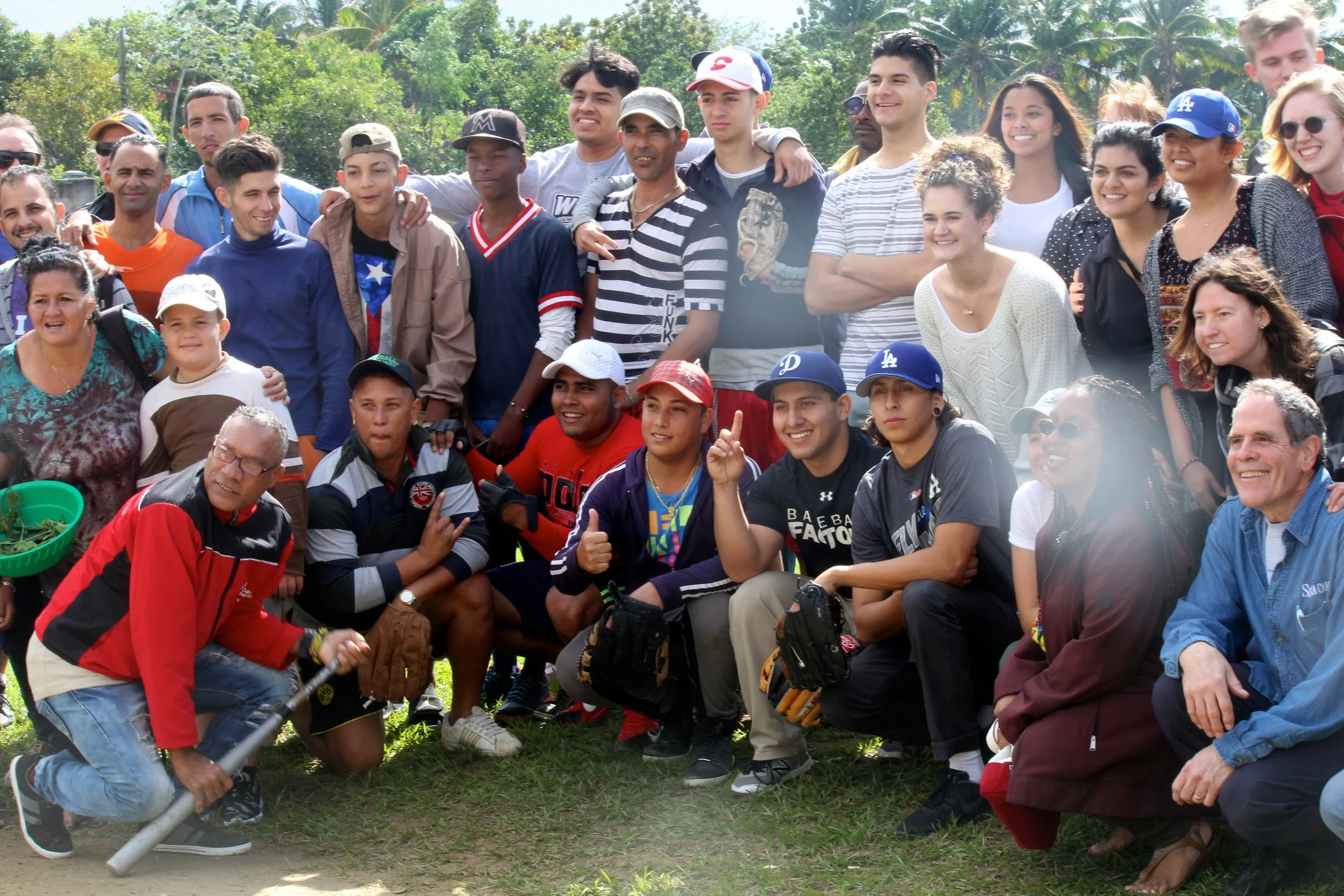
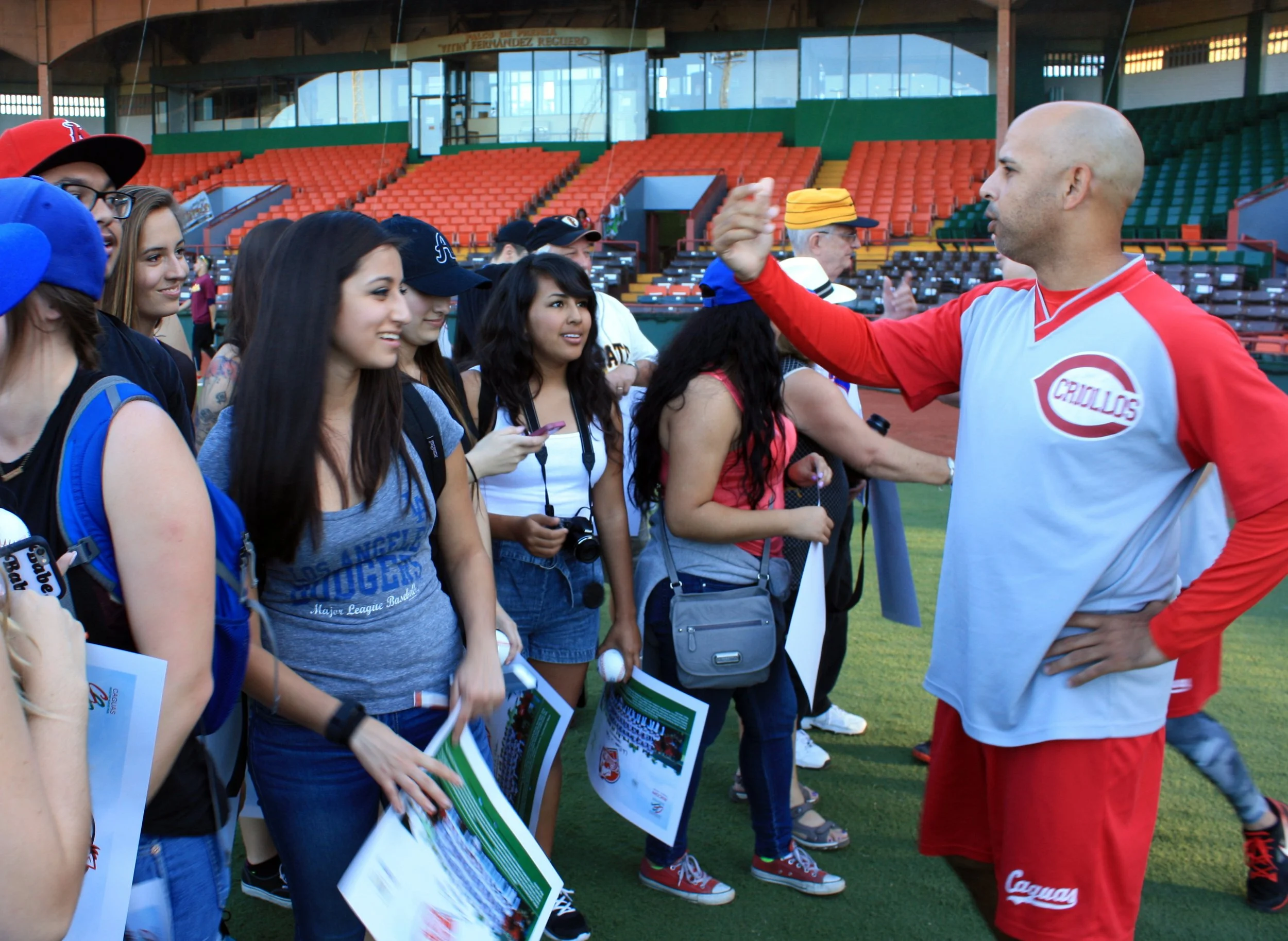
Over the course of two summers, Professors Price and Chabran took twenty students to Puerto Rico and twenty to Cuba (as well as a group of alumni and friends of the university who also participated in the course). The groups went to games, visited baseball academies, and attended local indigenous ceremonies. In Puerto Rico, they visited the oldest church in the Western hemisphere. In Cuba, they visited the oldest baseball park in the world.
“We were studying baseball as religion, but as a component of that, what were the other religious practices on the islands that perhaps contributed to the ways in which baseball was revered with similar rituals of devotion?” Price shared. Chabran added, “I was a good student in Joe’s classes. He reminded us that religion in Latin means ‘that which binds us together.’ Joe’s done a lot of work about religion and sport, and how sports have this religious component of bringing people together with similar codes and rituals. He’s talked about how stadiums are like cathedrals.”
Joe Price
The class wasn’t solely about religion though, it was also about baseball itself and how Cuba and Puerto Rico’s baseball traditions differ from the United States’. Chabran cited meeting Alex Cora, who was managing a winter ball team in Puerto Rico and hosted the class before a game. Cora shared that the style of play in PR was different, and that if the first batter singled, then the next batter would try a sacrifice bunt to move him forward. “Recognizing it’s small ball played big, rather than big ball played small,” elaborated Price. The game was also faster, Price pointed out. “There was no pitch clock, but there was no need for pitch clocks because everybody wanted to get the game underway.”
But it wasn’t just the gameplay that had a different style, there were other cultural elements that differed from the US baseball experience. For one, the stadiums lacked formal food concessions or even a push for the team’s merchandise. “The idea of having a beer cup or soda cup with the team’s logo on it would be absolutely foreign to the fans,” Price shared. At a Havana playoff game, there were two competing cores of drumming fans. “That added almost a sense of a liturgical call and response that was really quite remarkable to be sustained throughout the game. There was no need for cheering. Couldn’t be heard anyway, the drums were so loud.”
Overall, the experience was great for the students, who left each country with a changed view of the country and of baseball, and for the professors too. As Chabran shared, “Both Joe and I are retired now. I’d be willing to come out of retirement to do this again.”
Check out Whittier College’s website for the Institute for Baseball Studies here.